The International School of Myanmar (ISM) acknowledges its responsibility to safeguard and protect all the students under its care from all forms of abuse, harm, and maltreatment.
Safeguarding is the action taken to promote the welfare of children and protect them from harm. This entails:
Child protection is an important part of safeguarding. It involves actions and measures taken to protect children who are suspected of being at risk of, or suffering from, significant harm. This harm can occur in various settings, including at home, in the community, or online.
UNICEF defines child protection as preventing and responding to violence, exploitation, and abuse against children.

ISM has a Safeguarding Policy which establishes boundaries, guidelines, and best practices for acceptable behavior at the school in order to prevent abuse and protect the well-being of all the students. The guidelines established in the ISM Safeguarding Policy apply to all members of the school community and those affiliated with the school, including:
Board of Directors;
Leadership team and administration;
All staff employed by ISM, including but not limited to foreign faculty, local teachers, administrative staff, security staff, drivers, maintenance staff, and cleaning staff;
Any outside company employed to work at ISM, including but not limited to outside contractors, cafeteria food groups, and special event presenters;
Any outside group volunteering at ISM;
The Parent Teacher Association;
Parents, guardians, family members, drivers, and helpers of students attending ISM;
Any visitors who may have any contact with the students or spend time on the school grounds.
All staff are expected to know the signs of child abuse. The four types of abuse are physical abuse, emotional abuse, sexual abuse, and neglect. We at ISM endeavor to protect all the children under our care from all these forms of abuse.
Physical abuse is an intentional act that causes injury to the person’s body or physical trauma to the person. This may include hitting, shaking, throwing, burning or scalding, poisoning, drowning, suffocating, or otherwise causing physical harm to the child. Physical harm may also be caused when an adult fabricates the symptoms or deliberately induces illness to the child.
Emotional abuse is the persistent emotional maltreatment of a person. This type of abuse is more emotional and verbal than physical in nature. The person may express feelings toward the victim that they are worthless, unloved, inadequate, or only valued if the person’s needs are met. It may include not giving the victim the opportunities to express their point of view, forcing them to be silent or made fun of, so that they are scared to speak out. It may also involve bullying in person or cyberbullying, causing the victim to feel scared or in danger.
Sexual abuse is the forcing of a sexual act on someone. The term also covers any behavior by an adult or adolescent towards a child to stimulate any of the involved sexually. The activities may involve physical contact, including assault by penetration or non-penetration acts such as masturbation, kissing, rubbing, and touching. It may also involve non-contact activities, such as involving children in looking at images. The sexual abuser can be male or female.
Neglect is the frequent failure to meet a child’s physical, medical, educational, or psychological needs. This would likely result in the child’s health and health decreasing. Neglect can start as early in pregnancy. If the child is not provided with adequate food, clothing, shelter, and protection from physical or emotional harm, this is neglect.
When working or volunteering with children at ISM, all staff must follow safe working practices consistently. This ensures the safety and welfare of children, other staff, and the individual staff member as he or she holds a position of trust and responsibility. The following are the safe working practices.
Always work in the best interests of children – do not behave in a manner that could be deemed as offensive to the people around you.
Be culturally sensitive and aware, and avoid using foul or abusive language, discussing personal matters, being under the influence of alcohol, or dressing inappropriately for your professional role.
Keep your conversations and language with students professional. For example, telling a student you love them can be just as harmful as telling a student you hate them. Teachers should not be conversing with students as if they’re friends, and conversation topics should follow suit.
Only transport children if it’s explicitly within your role, ensuring you follow all safe working practices set by your school.
Use designated staff toilets.
Only use approved school communication methods and refrain from engaging in any personal communication with children, such as texting, messaging, or social networking sites.
Be open and honest; work in a way that cannot lead to anybody questioning your motivations or intentions. There should never be any elements of secrecy to your work.
Treat everyone with respect and fairness, embracing diversity in culture, disability, gender, language, racial origin, and religious belief.
Confidential or private information about children should only be shared with the Safeguarding Team. The information should never be used as a source of gossip.
Be vigilant and take appropriate action.
In addition to the professional norms, all ISM staff members are expected to uphold these simple safeguarding best practices to ensure every student feels safe and respected:
If you find yourself alone with a student, make sure both you and the student are always visible to others. This could be through your door’s window or with the door entirely open, or moving to a more public area.
Call students by their official names rather than any nicknames or pet names, even if the student says they are okay with it. This shows respect, and no matter how professional a nickname might feel. It is not appropriate for the workplace. Examples of nicknames or pet names that are commonly used: sweetie, honey, champ, pal, etc.
Keep your conversations and language with students professional. For example, telling a student you love them can be just as harmful as telling a student you hate them. Teachers should not be conversing with students as if they are friends, and conversation topics should follow suit.
Be mindful of physical contact. Generally, it should be initiated by the student and should never exceed three seconds, sticking to the shoulders, upper back, and arms. If you need to initiate contact with a student, permission should always be asked. For example, if a student is injured and you need to assist them as they walk to the nurse, ask first. “Is it okay if I support your leg as we’re walking?”
All ISM staff undergo safeguarding training to enable them to recognize the possible signs of maltreatment and to be able to follow the protocol to safeguard all students. Every staff member is required to complete a yearly online training in addition to reading the Safeguarding Policy. After both of these have been completed, the staff member is required to sign the Staff Commitment to Uphold the Safeguarding Policy form.
ISM ensures that all new employees provide evidence of safe practice by providing background checks from every country they have worked in. Also, they should provide contact information of sufficient and relevant references with permission for the school to contact them.
All applicants at all levels will:
Provide evidence of identity and qualifications
Provide references from previous jobs
Be interviewed, either in person or via video call.
Provide police background/ criminal history checks
If an ISM stakeholder is aware or suspicious of an act of maltreatment against a student, the incident must be reported immediately to their immediate supervisor or counselor, in addition to the Designated Safeguarding Lead. Within 24 hours of the verbal report, a formal written report must be submitted.
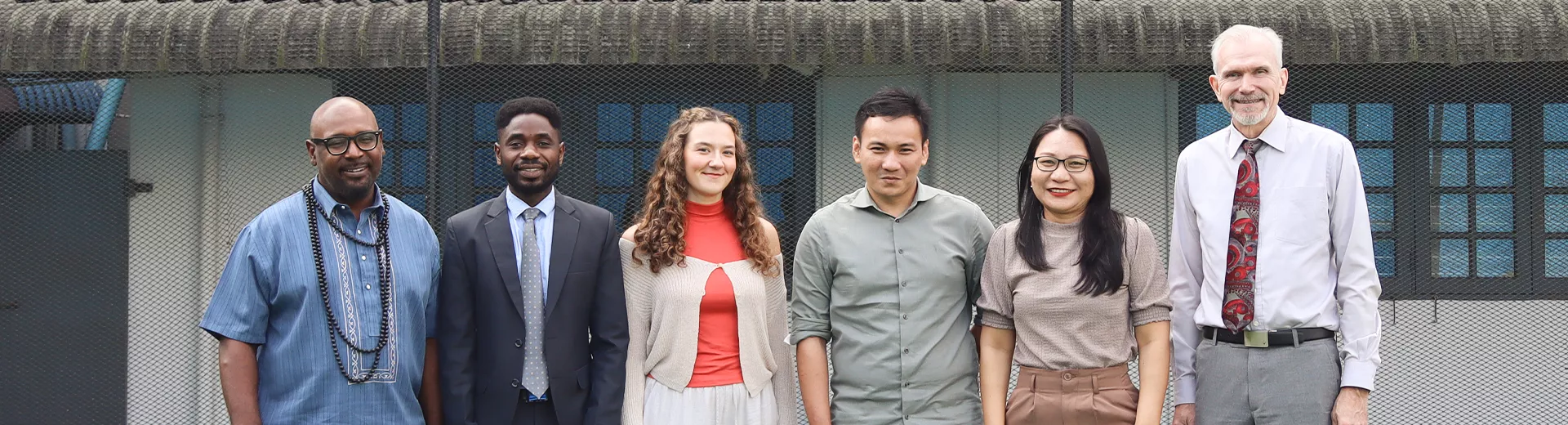
| Designated Safeguarding Lead/ES Counselor | Mr. Kayembi Chilomba: escounselor@ismyanmar.com |
| SS Counselor | Mr. Victor Clack: hscounselor1@ismyanmar.com |
| SS Counselor | Ms. Siri Fretheim: mscounselor@ismyanmar.com |
| ISM School Doctor | Dr. Nyan Lynn Maung: doctor1@ismyanmar.com |
| ISM Director | Mr. Lyle Moltzan: director@ismyanmar.com |
| Director Administrative Assistant/ Myanmar Language Key Contact | Ms. Zin Myo Latt @Lydia: directoradminassistant@ismyanmar.com |
